

Initial consultation
For anyone over the age of 18, the first step is an initial consultation with an Affiniti+ psychologist.
This is just an opportunity for us to hear your personal story and find out why you’ve decided to seek an assessment.
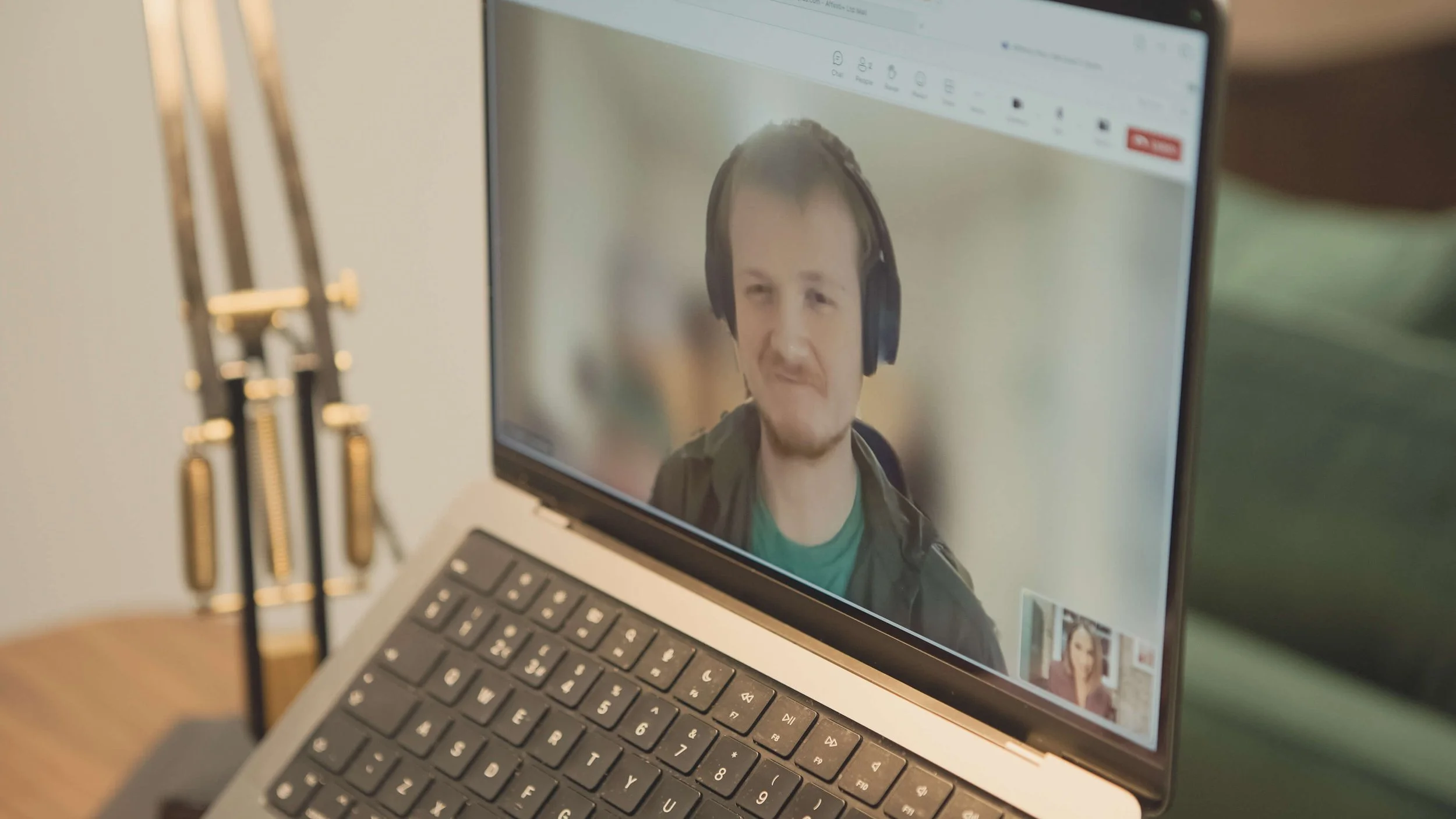
Questionnaires
Autism
- Adult background information form
- Adult mental health questionnaires (e.g. GAD-7 for anxiety, PHQ-9 for depression)
- Autism Spectrum Quotient (AQ) questionnaire
ADHD
- Adult background information form
- Adult mental health questionnaires (e.g. GAD-7, PHQ-9)
- ASRS-v1.1 symptom checklist
- DIVA
Autism + ADHD
- Adult background information form
- Adult mental health questionnaires (e.g. GAD-7, PHQ-9)
- Adult AQ and ASRS-v1.1 / DIVA
Supporting information
- A form from your university tutor or line manager at work.
- A medical report.
- If relevant, a report from your psychologist or other mental-health support.
Initial consultation
- Bring your questionnaires and supporting information together.
- Give us context for your personal story.
- Help us understand why you have decided to seek an assessment.
Family interview
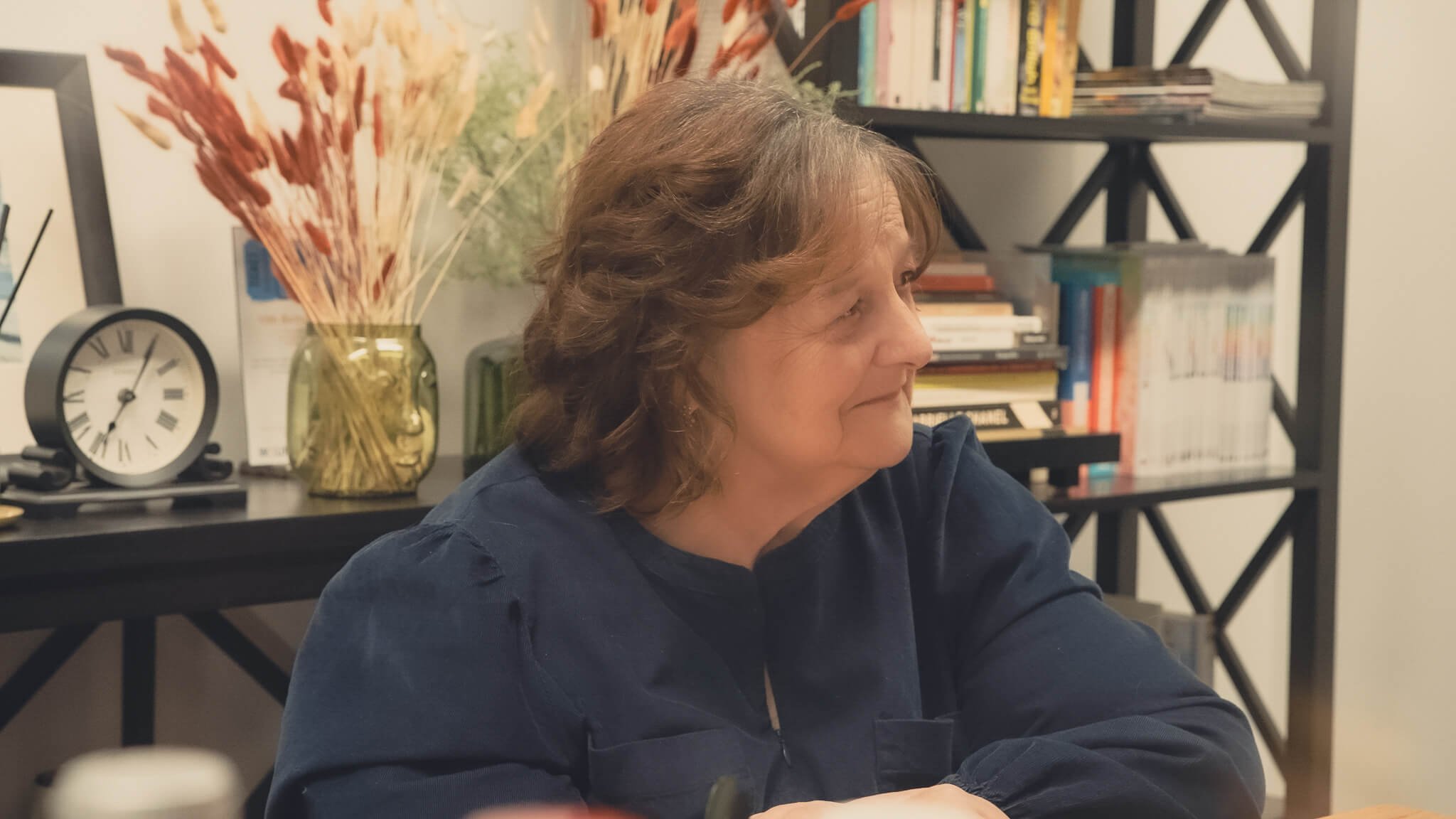
Building a developmental picture with the people who know you
Once we have agreed that an assessment is appropriate, we will ask to speak to your parents – no matter how old you or they are. Where a parental interview is not possible or appropriate, we can instead speak to older siblings or members of your extended family. If you have a partner, we may also ask to speak to them.
Parents
Our first source for developmental history, regardless of your age or theirs.
Older sibling
Can provide a developmental perspective when a parental interview is not possible or appropriate.
Extended family
Another option where a relative has useful knowledge of your earlier development and experiences.
Partner
May also be asked to contribute a current-day perspective where this would be useful.
A conversation that moves through time
The consultation covers everything from your mother’s experience of pregnancy and birth through to how you bonded with your parents and how you learnt to walk, talk and use the toilet. Our experience is that even very elderly mothers can recall pregnancy, labour and birth weight with remarkable clarity.
-
01Pregnancy & birth
-
02Bonding
-
03Walking
-
04Talking
-
05Toileting
-
06School
-
07Significant events
Experience beyond early development
Your family members will be asked what you were like at school, and whether there is any relevant history or experience of trauma.
Patterns we also consider
We will look at whether there is any family history of autism, ADHD or mental ill health as part of the wider clinical picture.
The conversation adapts to what we are assessing
If you're being assessed for autism, the consultation will focus particularly on early social and communication development, sensory experiences and routines throughout childhood.
If you're being assessed for ADHD, the consultation will focus particularly on attention, activity levels and impulsivity across different stages of life, and how these have affected school, work and relationships.
When we're conducting a joint assessment for autism and ADHD, we bring both areas of focus together and are particularly comprehensive in our questioning.
Personal interview
Your interview, shaped to your assessment
Your personal interview follows the autism pathway, the ADHD pathway, or a combined pathway when both are being assessed. Each uses a structured approach.
We ask questions in a relaxed and informal manner, with space for you to explain your experiences in your own words.
ADOS-2 assessment
You will complete the Autism Diagnostic Observation Schedule, Second Edition (ADOS-2). This is a semi-structured, standardised observation designed to give the psychologist structured information about social communication and interaction during a series of activities and conversations. It is considered the gold standard of autism assessment.
- Structured observation of social communication and interaction.
- Behavioural information gathered in standardised interactive situations.
- Evidence considered alongside the wider assessment and diagnostic criteria.
Find out more
ADOS-2 is an observational assessment tool rather than a diagnosis by itself. Autism diagnosis also considers the broader clinical picture and DSM-5 criteria, including social-communication differences, restricted or repetitive patterns, developmental history and functional impact.
DSM-5 interview
In the ADHD interview, we explore patterns of inattention and/or hyperactivity–impulsivity against DSM-5 criteria, including how symptoms have developed over time and how they affect everyday life across different settings.
- Inattention and/or hyperactivity–impulsivity symptoms.
- Whether relevant symptoms were present before age 12.
- Whether difficulties occur in more than one setting and affect functioning.
Find out more
For people aged 17 and over, DSM-5 uses a threshold of five or more symptoms in the inattentive and/or hyperactive–impulsive domain. The criteria also require a persistent pattern, evidence of symptoms before age 12, difficulties across two or more settings, functional impact, and consideration of alternative explanations.
Autism + ADHD assessment
If you are being assessed for both autism and ADHD, we use both approaches.
University or workplace interview

One relevant perspective from your everyday environment
Report

Your assessment, written up clearly
We will then take all the information we have gathered during these interviews and observations and write it up into a detailed report.
Once it is written, we will send you a draft so you can read it and suggest any changes before it is finalised.
What the report contains
Summary report
- A concise overview of the assessment and its findings.
- The diagnostic conclusions reached through the assessment.
- Key recommendations arising from the assessment.
Appendices
ADHD-only assessment
- Personal / clinical interview
- Parental interview
- Mental health measures (e.g. GAD-7, PHQ-9)
- Work or education summary
- DSM-5 criteria for ADHD
Autism-only assessment
- Clinical interview
- Family interview
- Mental health measures
- Work or education summary
- ADOS-2 (Autism Diagnostic Observation Schedule)
- DSM-5 criteria for autism
Combined autism + ADHD
- Clinical interview
- Parental / family interview
- Work or education summary
- Mental health measures
- DSM-5 criteria for ADHD
- ADOS-2
- DSM-5 criteria for autism
Sharing with other professionals
We recommend sharing the summary report and appendices (full report) with other professionals involved in your care, such as your GP.
The report contains sensitive personal information, so we recommend sharing it on a need-to-know basis, only with those directly involved in your care or support.
This helps ensure your wider care team has a complete picture of the assessment and its recommendations.