
Clinical psychology, without the rush
Support that meets the whole person, not just the question they arrived with
A first conversation can make things feel less tangled. We take time to understand what has been happening, what has already helped and what might make daily life feel more manageable.
Support can include therapy, assessment, consultation or a practical recommendation about where to begin.
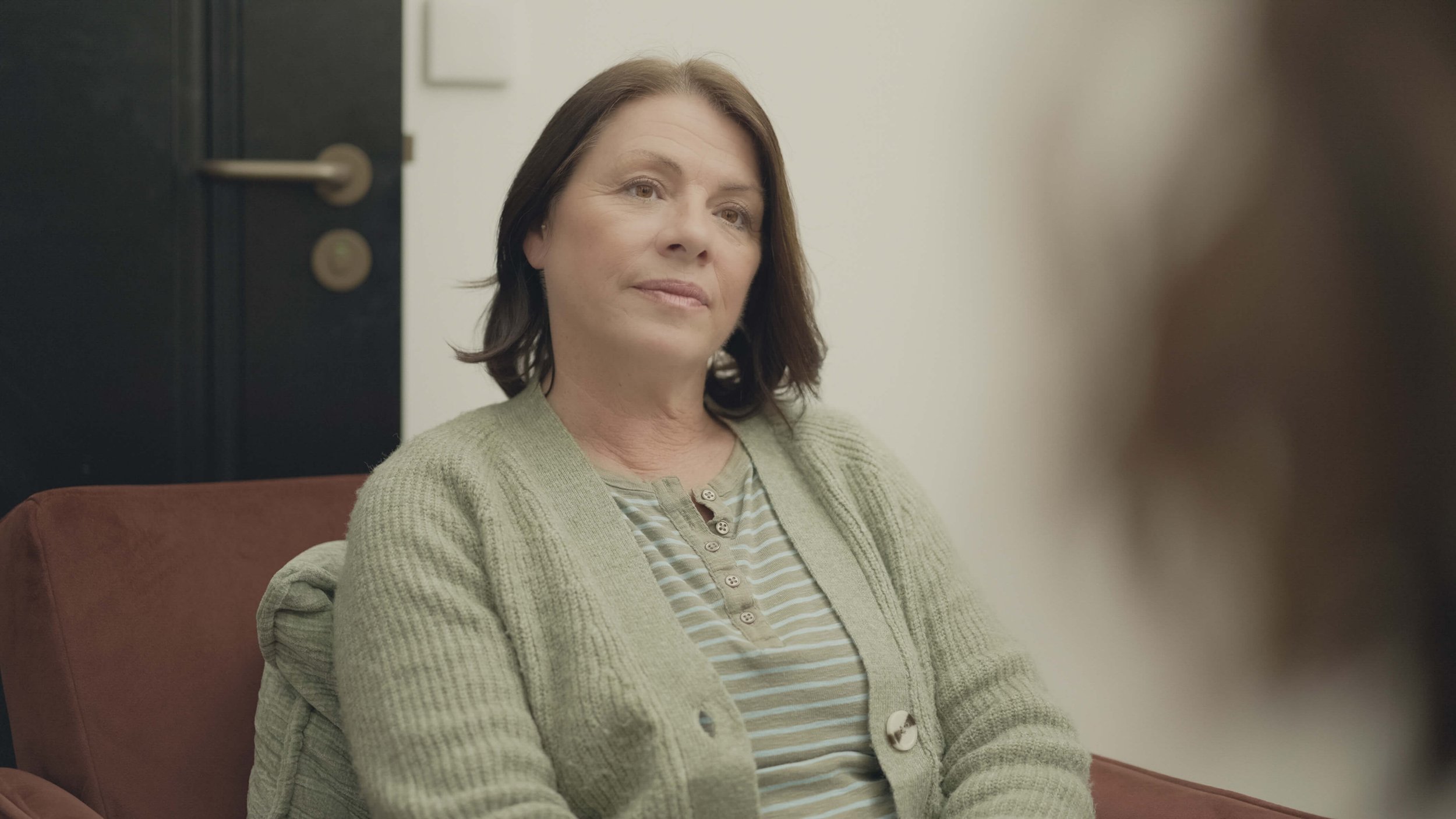
A realistic editorial section
When support feels considered, people can move at a steadier pace
People often arrive with a mixture of practical questions and harder feelings that are difficult to name. We make space for both, so the next step can be thoughtful rather than rushed.
A session might explore patterns in mood, relationships, work, school or family life. It might also help you understand why a familiar way of coping no longer feels enough.
We keep the work collaborative, clear and paced around the person in the room.

Surface taxonomy in context
Three card shapes for different kinds of reading and action
The same card collection can contain a quiet information surface, a content-rich card with its own CTA, and a single-destination card.
When a surface is for orientation
This card gives useful context without pretending to be a destination. It should lift, clarify and resolve the edge while remaining plain prose.
Assessment fit conversation
A considered overview can sit with one clear action. The card responds as a surface, while the nested CTA stays the only activation target.
Organisation support
This whole card represents one destination. It has no nested button, so the card itself is the single click and keyboard focus target.
View organisation workA four-step process
A journey that is clear without feeling rushed
The shape of support varies, but it helps when everyone understands the broad path from first contact to review.
-
01 Initial conversation
Understand what has brought someone to the service and what feels most important now.
-
02 Shared formulation
Bring together history, current pressures and strengths so the next step has a clear rationale.
-
03 Plan and support
Agree a practical pathway, including who needs to be involved and how progress will be reviewed.
-
04 Review and adapt
Check whether the work is helping and adjust the plan as needs become clearer.
Questions before starting
A few things people often want to know
Can the answer be simple?
Yes. A clear question and a direct answer are often enough, especially when someone is trying to decide whether to get in touch.
What helps a first conversation feel manageable?
The first conversation does not need to solve everything. It can be enough to gather context, notice what feels urgent and agree what kind of next step would be most useful.
- Start with the practical concern.Bring the question that made you consider support now.
- Name what has already helped.Previous strategies, reports or advice can all give useful context.
- Include access needs early.Timing, communication preferences and sensory needs can be planned for.
- Decide who needs the outcome.Some work is private, while some needs to be understood by family, school or work.
- Leave room to pause.A careful answer can take more than one conversation.
Do I need to know exactly what to ask for?
No. It is enough to describe what has been happening and what feels difficult. We can help shape the question with you.
Feedback and next step
People often describe feeling clearer about what comes next
The sessions felt thoughtful and practical. I came away understanding myself better, but also knowing what I could try next in ordinary life.