Initial consultation
A first conversation about what you have noticed
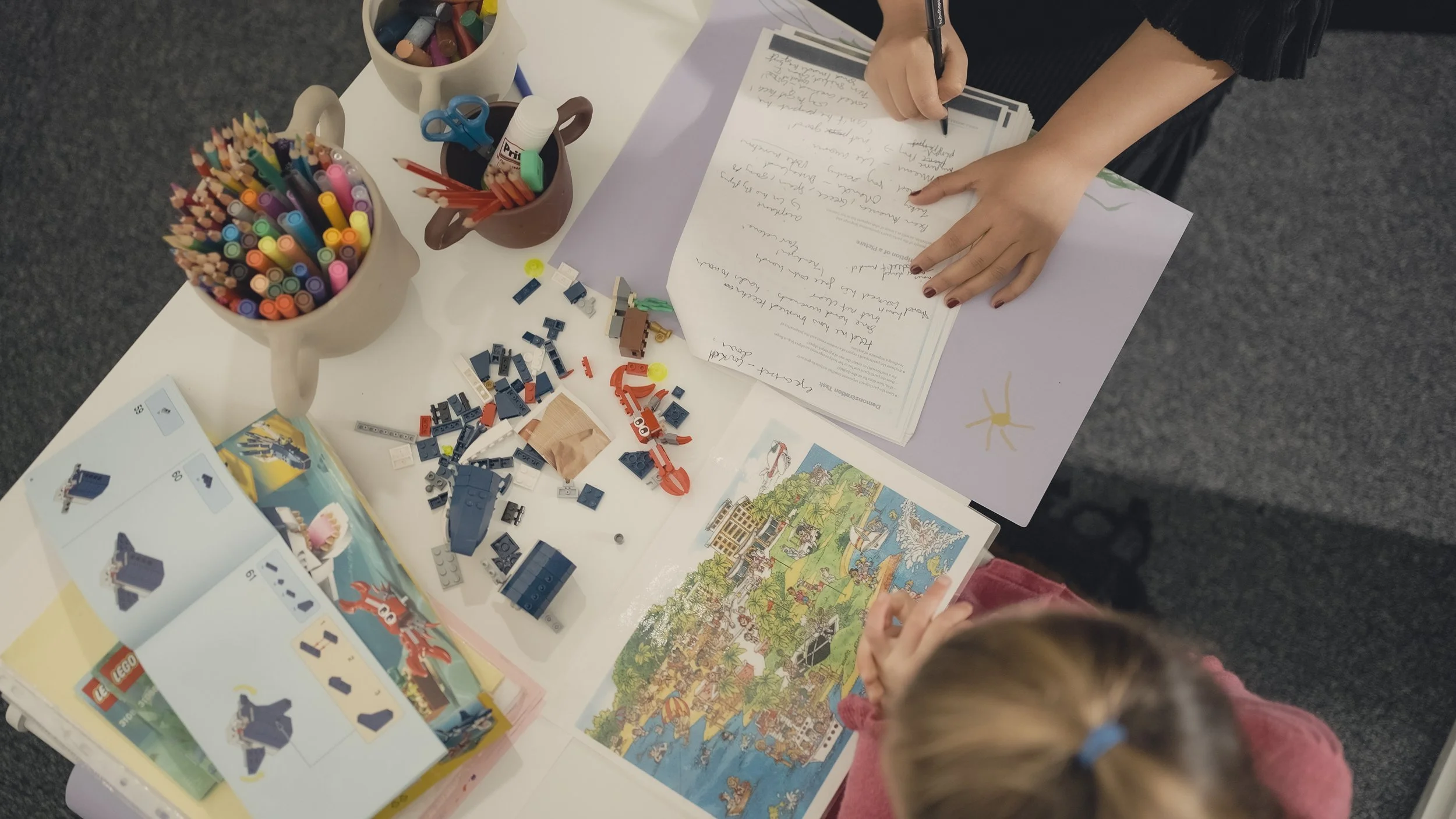
Parents often consider an assessment because they have noticed traits in their child that may be consistent with autism or ADHD, or because their child’s school has suggested that an assessment could be useful.
The initial consultation gives our psychologist an opportunity to understand what has brought your family to assessment and decide whether a full neurodevelopmental assessment would be beneficial for your child.

What you have noticed
- Traits that seem consistent with autism or ADHD.
- Questions about how your child experiences or manages everyday life.
- A wish to understand whether a formal assessment may be helpful.
What school may have raised
- School may have noticed traits that prompted questions about autism or ADHD.
- A teacher or school may have suggested that an assessment could be useful.
- This forms part of the context for why your family is seeking a consultation.
Initial consultation
- Discuss what has led you to consider an assessment.
- Give the psychologist an initial picture of your child’s needs and circumstances.
- Determine whether a full neurodevelopmental assessment would be beneficial.
Paperwork for the assessment
We assess children and young people of any age, up to 18. We use different questionnaires depending on age: the RCADS, which looks at anxiety and low mood, is designed for ages 8 to 18, so for younger children we use a different mood questionnaire.
Aged 18 or over? See our adult assessments.
About the questionnaires
A form for parents or carers about your child’s early development, health, family and school life.
Short questions about your child’s mood and feelings over recent weeks. Your child and a parent each fill one in.
Questions about worries, fears and low mood. Your child and a parent each fill one in. It is designed for ages 8 to 18.
A checklist about attention, restlessness and impulsive behaviour, completed by a parent and by school.
Questions for a parent about how your child communicates and interacts with others. One version covers their whole life and one covers the recent past.
A form for school to describe how your child copes in lessons and with friends.
Under 7s
ADHD assessment
- Child Background Information form
- Mood questionnaire (M+F) — child version
- Mood questionnaire (M+F) — parent version
- Attention checklist (SNAP-IV)
- School form
Autism assessment
- Child Background Information form
- Mood questionnaire (M+F) — child and parent versions
- Communication questionnaire (SCQ) — lifetime
- Communication questionnaire (SCQ) — current
- School form
Autism + ADHD (combined)
- Child Background Information form
- Mood questionnaire (M+F) — child and parent versions
- Attention checklist (SNAP-IV)
- Communication questionnaire (SCQ) — lifetime and current
- School form
Ages 8 to 18
ADHD assessment
- Child Background Information form
- Anxiety and mood questionnaire (RCADS) — child version
- Anxiety and mood questionnaire (RCADS) — parent version
- Attention checklist (SNAP-IV)
- School form
Autism assessment
- Child Background Information form
- Anxiety and mood questionnaire (RCADS) — child and parent versions
- Communication questionnaire (SCQ) — lifetime
- Communication questionnaire (SCQ) — current
- School form
Autism + ADHD (combined)
- Child Background Information form
- Anxiety and mood questionnaire (RCADS) — child and parent versions
- Attention checklist (SNAP-IV)
- Communication questionnaire (SCQ) — lifetime and current
- School form
Parent or carer interview
Understanding development through the people who know your child best
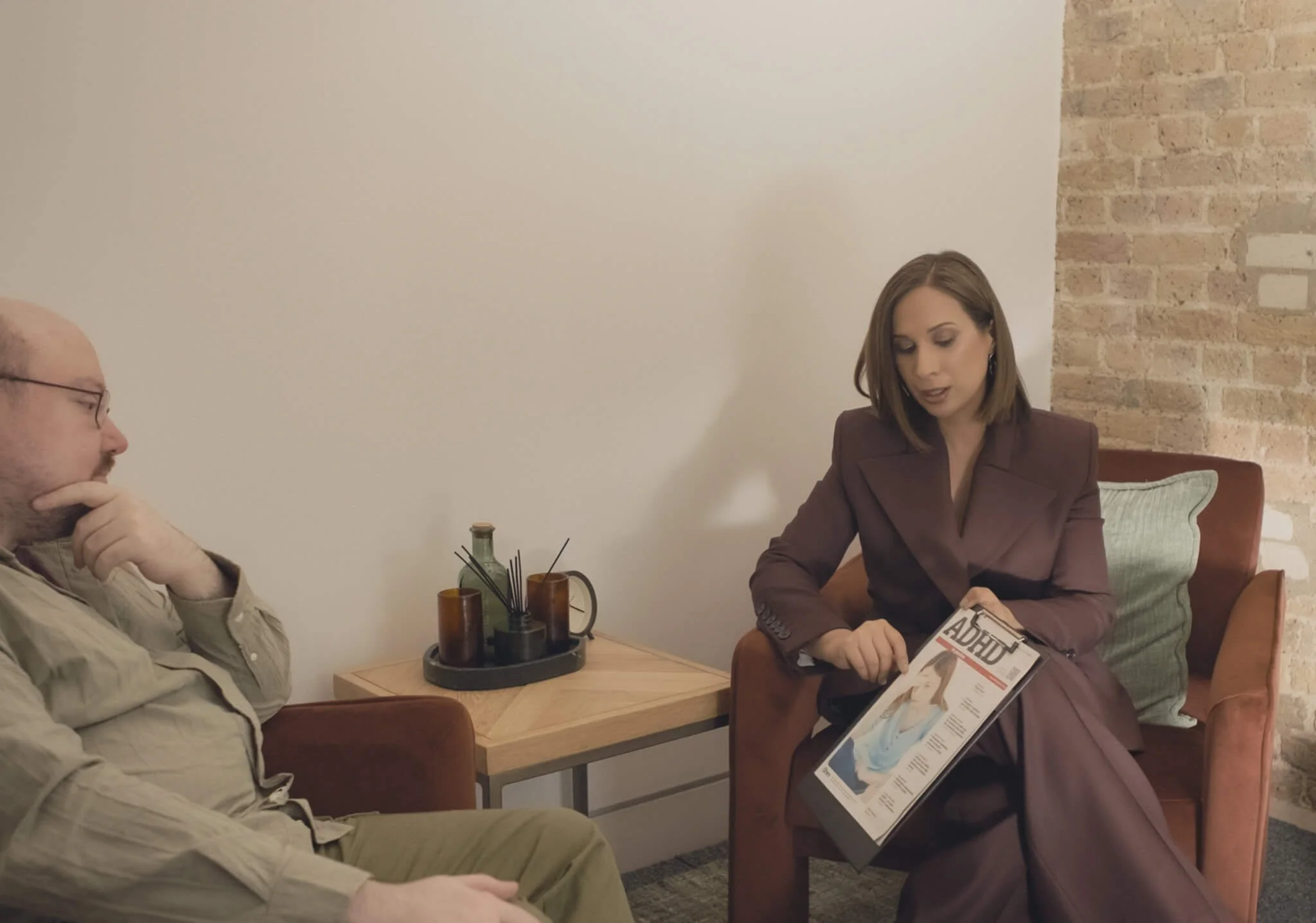
A parent or carer interview helps us build a detailed developmental picture of your child from their earliest years to the present day. We explore the milestones, experiences and patterns that may help explain the concerns that have led to assessment.
Rather than looking at one behaviour or one point in time, we consider how your child has developed across home, relationships, communication, education and significant life experiences.
A conversation that moves through time
The conversation moves chronologically through your child’s development, from pregnancy and birth through early milestones, communication, school and significant events. The emphasis adapts to whether we are assessing autism, ADHD or both.
-
Pregnancy & birth
-
Bonding
-
Walking
-
Talking
-
Toileting
-
School
-
Significant events
Home and school are considered together
A developmental history provides the family context. Later stages add the young person’s own assessment and a teacher perspective so that the overall picture is not based on one setting alone.
Relevant history also matters
Where relevant, the conversation can also consider significant experiences and family history as part of the broader clinical picture.
Child or young person assessment
Understanding the young person, not just the referral
A full assessment includes meeting the child or young person themselves. The format is structured around what is being assessed while allowing the psychologist to understand how the young person communicates, interacts and describes their own experiences.
The assessment is part of a broader clinical picture. Information from the young person is considered alongside developmental history and the school perspective rather than in isolation.

Structured autism assessment
Where autism is being assessed, the young person may complete a structured observational assessment such as ADOS-2, considered alongside developmental information and DSM-5 diagnostic criteria.
What this contributes
- Structured information about social communication and interaction.
- Observations gathered during planned activities or conversation.
- Evidence to be considered alongside the rest of the assessment.
Structured ADHD assessment
Where ADHD is being assessed, the clinical interview considers patterns of attention and/or hyperactivity–impulsivity against DSM-5 diagnostic criteria and in the context of everyday functioning.
What this contributes
- A structured exploration of relevant ADHD characteristics.
- The young person’s own account where appropriate.
- Information that can be compared with home and school perspectives.
Autism + ADHD assessment
Where both autism and ADHD are being explored, we use both approaches and consider the resulting evidence together as one integrated clinical picture.
School perspective

Adding the view from school
Teacher
A full child or teenager assessment includes information from a teacher who knows the young person in their everyday learning environment. This adds a second setting to the assessment and helps us understand how they present and function outside the home.
Adds information from a setting that is different from home.
Helps build a broader picture of the young person’s day-to-day presentation.
Can be considered alongside the family interview and the young person’s assessment.
Primary school
For children in primary school, we carry out school observations and school interviews while we are there, with the relevant professionals.
Secondary school and college students
For young people in secondary school, we do not observe in school. Instead, school staff complete a detailed school form, and we follow it up with an interview with someone at the school who knows the young person well.
Stage 05 of 06
Report

Bringing everything together
A detailed report of the assessment and what it means
We bring together information from the child or young person, their parent or carer, their teacher and the assessment itself into one detailed clinical report.
Affiniti+ gives clients the opportunity to read and comment on the report before it is finalised, so the finished document can accurately represent the assessment and its recommendations.
Assessment report
What the report brings together
Assessment findingsClinical summary
- A clear summary of the assessment and the evidence considered.
- The diagnostic conclusions reached through the assessment.
- An explanation of the young person’s profile in context.
Next stepsRecommendations
- Recommendations designed to help the young person moving forward.
- Information that can support conversations with family, school and relevant professionals.
- Supporting assessment information and appendices where appropriate.
Supporting evidenceAppendices
- Parental interview
- Family interview, where relevant
- School summary (school form, teacher interview and observation)
- Mental health measures (M+F or RCADS, as applicable)
- DSM-5 ADHD criteria, where applicable
- ADOS-2, where applicable
- DSM-5 ASD criteria, where applicable
Sharing with others involved in your child’s care
Understanding
The report gives parents or carers a detailed written account of the assessment findings and recommendations.
Support planning
The findings can be shared with school so that relevant recommendations and support needs can be understood.
Continuity
Affiniti+ recommends sharing the report with the GP and other relevant individuals where this helps the child access appropriate support.
Stage 06 of 06
After your child’s assessment
After your child’s assessment, you receive a written report that explains what we found and what we recommend. If your child would like support afterwards, we offer therapy for children and teenagers. Our handbooks also explain emotional difficulties and neurodevelopmental conditions in plain English and share practical strategies for everyday life, for parents and for young people.
Common questions
How do I know if my child needs an assessment?
Parents often ask for an assessment because they have noticed traits in their child that are consistent with autism or ADHD, or because their child’s school has suggested it. We offer an initial consultation, which our psychologist uses to decide whether a full neurodevelopmental assessment would help your child.
How much does a private autism or ADHD assessment cost?
A private autism assessment costs £2,000, an ADHD assessment costs £1,500 and a combined autism and ADHD assessment costs £2,500. See our fees page for what is included.
Do I need a GP referral for a private autism or ADHD assessment?
No. You can refer yourself for a private assessment. If you plan to claim on health insurance, ask your insurer whether it needs a GP referral first, or whether you can refer yourself.
How long does a private autism or ADHD assessment take?
There is no waiting list. We contact you within 48 hours of receiving your referral to talk through next steps. The assessment itself takes four to six weeks, and writing your report, with the diagnosis and recommendations, takes a further two to four weeks. Complex cases can take longer.
What happens in an autism or ADHD assessment?
Our assessments are thorough. They include an interview with you, an interview with a parent, carer or family member who knows you well, standardised diagnostic tools and questionnaires, and information from your school or workplace. We also review relevant medical reports and speak to other professionals where that helps.
Who carries out the assessment?
Your assessment is led by Dr Anindita Sarkar, a Consultant Clinical Psychologist. Where it helps, and with your agreement, we also gather information from your school, college or workplace. When your assessment needs it, we bring in a psychiatrist or a speech and language therapist.
What is the difference between a private and an NHS assessment?
The format is very similar: we interview the person being assessed and, where relevant, a parent, teacher, university tutor or line manager. Our interviews and reports go into considerable detail, and you can read and comment on your report before it is finalised. Private assessments are usually quicker than NHS waiting lists, which vary widely by area.
Will a private diagnosis be accepted by the NHS, my school or my employer?
Each NHS service decides for itself whether to accept a private report, so check with your GP or service first. Schools and local authorities should take a private report into account when deciding what support to offer, but they make their own decisions. We recommend sharing your report, with your agreement, with your GP and other relevant people so you can access support.
What happens after my assessment?
You receive a written report with the diagnosis and our recommendations, and you can read and comment on it before it is finalised. We recommend sharing the summary pages or the whole report, with your agreement, with your GP and other relevant people so you can access the support you need. If you would like support afterwards, we also offer therapy. If you would rather not have therapy, our online workshops and handbooks offer practical guidance. Our Reframe Your Mind online workshop, four short modules teaching evidence-based CBT skills for managing unhelpful thinking, is available now, as are our ADHD handbooks. Handbooks on autism, therapies and mental health conditions are in development.