Who we are
People first. Thoughtfully connected.
Affiniti+ brings different kinds of expertise together around one shared purpose.
We believe mental-health and neurodiversity support should feel accessible, relevant and connected to the realities of everyday life. Our work combines clinical experience, psychological thinking and practical development so that the support we create is both rigorous and genuinely useful.
We are deliberately collaborative. Different perspectives help us ask better questions, build more responsive services and keep the person in front of us at the centre of every decision.
Our team
Meet the people behind Affiniti+
Our team brings together clinical psychology, programme development and digital systems — different lenses on the same goal: making mental-health and neurodiversity support clearer and more accessible.
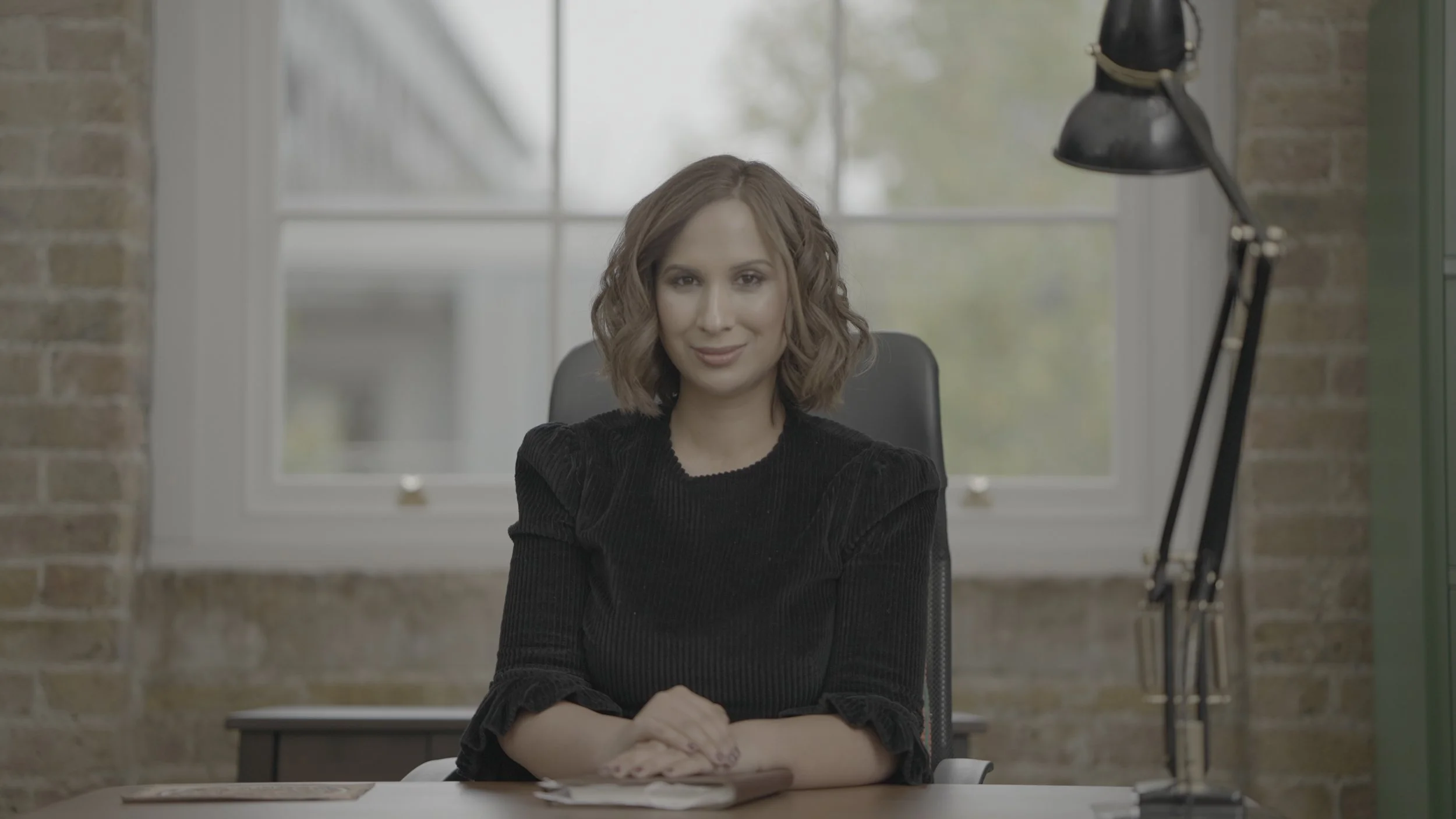
Dr Anindita Sarkar
Consultant Clinical Psychologist AFBPsS | CPsychol | HCPC
- Qualifications MSc in mental-health studies — King’s College London, 2004 Doctorate in clinical psychology — Canterbury Christ Church University, 2010
- Leadership Established Affiniti+ in November 2023 Former head of clinical services More than two decades in the NHS and local authority
- Professional standing Associate Fellow of the British Psychological Society Chartered Psychologist HCPC registered

Zara Tandy
Assistant Psychologist
- Qualifications MSc Developmental Psychology and Psychopathology — King’s College London BSc Psychology — University of Bristol
- Clinical work Neurodevelopmental assessments Therapy Clinical report writing
- Programme development Groups Workshops Training sessions
- Affiniti+ progression Intern → Assistant Psychologist
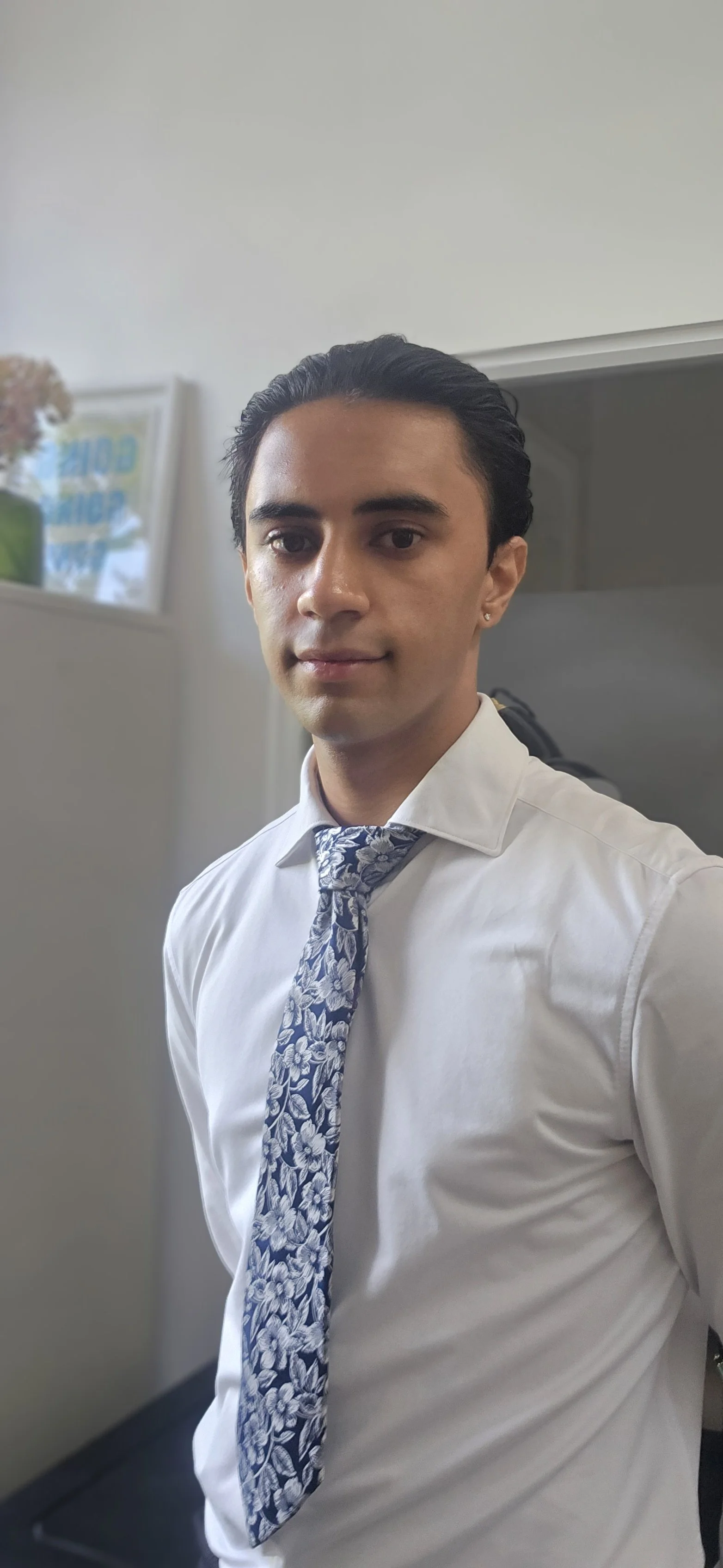
Rhyen Jivan
Digital Systems Assistant
- Engineering MEng Mechanical Engineering — UCL (in progress) Computational modelling and simulation-led design
- Digital systems EHR and workflow development Web systems and technical architecture
- Affiniti+ Digital infrastructure Website development Technical implementation
- Focus Engineering-led problem solving in clinical technology

Ayse Gundogan
Graduate Psychologist · Trainee Psychodynamic Psychotherapist
- QualificationsMaster’s in Mental Health Studies — King’s College LondonPsychology degree — Université Catholique de Lille, Distinction
- TrainingPsychodynamic psychotherapy — Tavistock ClinicClinical placement and work under supervision
- ApproachAdults and childrenPsychodynamic understanding and CBT tools
- LanguagesEnglish, French and Turkish

Jaheem Smith
Graduate Psychology Intern
Not currently seeing clients
- EducationEducation, Psychology and Learning — University of Cambridge
- ExperienceSEND Tutor Fellow — King Solomon AcademySupporting neurodivergent students
- Affiniti+Visibility, database, clinical audit and researchNot currently seeing clients
- CommunicationPsychology newslettersEnglish; proficient in Mandarin
What connects us
Different expertise. Shared standards.
What holds it together is a shared set of standards, not a shared job title. We value evidence, thoughtful collaboration, and systems that work for the people who actually use them.
Clinical rigour
We take evidence, professional standards and careful judgement seriously. Good support should be clear about what it is doing, why it is doing it and where its limits are.
Human connection
Expertise matters, but so does how people experience a service. We listen, collaborate and design around real needs rather than assuming one approach will work for everyone.
Thoughtful innovation
We use new ideas and digital systems when they make something genuinely better: clearer workflows, more accessible information and more time for meaningful clinical work. Our digital systems are built by someone who has used our service, so they are designed around what it is really like to be a client.